Introduction
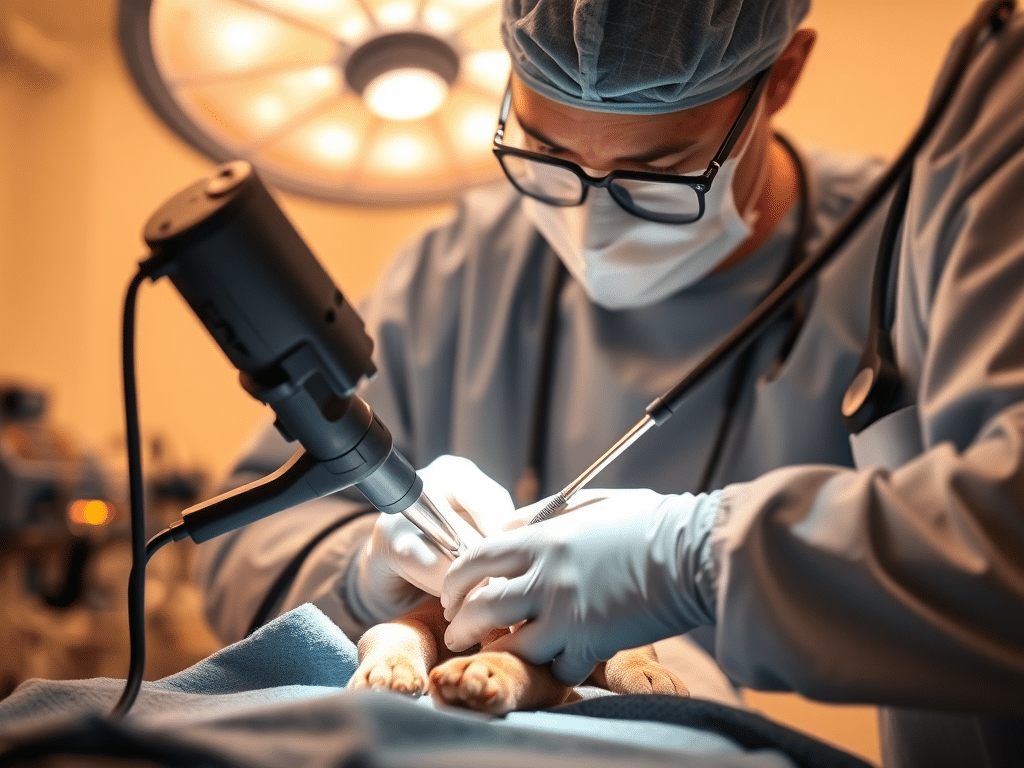
Cancer is no longer a rare diagnosis in veterinary medicine. As diagnostic tools improve and pets live longer, veterinarians are treating an increasing number of tumor cases. In this context, minimally invasive surgery (MIS) plays a pivotal role. Whether through ultrasonic dissection, radiofrequency ablation, or electrosurgical generator, MIS allows clinicians to perform safer and more effective tumor management with reduced trauma.
What is Minimally Invasive Surgery in Oncology?
Minimally invasive surgery in oncology refers to surgical techniques that remove, biopsy or ablate tumors through small incisions using tools such as laparoscopes, thoracoscopes, endoscopes, or robotic systems. Compared to traditional open surgery, these methods offer reduced trauma, less bleeding, faster recovery, and fewer postoperative complications.
When performed under strict adherence to oncologic principles—such as achieving clear margins and proper lymph node dissection—minimally invasive techniques are becoming standard in the treatment of many early-stage or appropriately located cancers. In veterinary oncology, minimally invasive procedures are also rapidly expanding, including tumor ablation, laparoscopic-assisted tumor removal, and endoscopic biopsy. These approaches not only improve treatment outcomes but also significantly enhance the quality of life for animal patients.
Why It Matters: Clinical Advantages for Animal Cancer Patients
✅ Less Tissue Damage MIS avoids wide-open incisions, preserving healthy structures and minimizing inflammation.
✅ Reduced Pain & Stress Smaller wounds and lower thermal injury translate into less pain, especially critical in fragile or geriatric patients.
✅ Faster Recovery Patients resume eating, walking, and interacting faster—improving both outcomes and owner satisfaction.
✅ Lower Complication Rates Shorter anesthesia, less bleeding, and fewer infections reduce perioperative risks.
✅ Repeatability For chronic or metastatic tumors, MIS enables multiple interventions over time.
Ideal Use Cases for Minimally Invasive Oncology
- Liver or kidney tumors in senior pets
- Peripheral soft tissue sarcomas near joints or nerves
- Lung nodules or thoracic masses
- Benign tumors requiring removal for functional reasons
- Palliative care where full resection is not feasible
In all these cases, MIS preserves quality of life while extending lifespan.
Case Example: Thoracoscopic Tumor Ablation
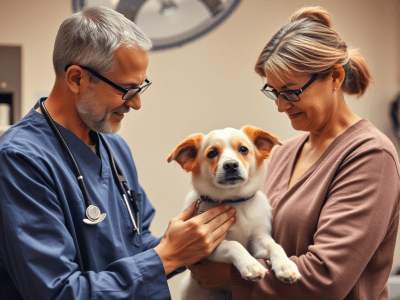
A 14-year-old dog was unfortunately diagnosed with the oral tumor. This poses a great threat to its life and health. Elderly dogs are no longer suitable for open surgeries. After being carefully treated with the advanced tumor radiofrequency ablation system, the dog’s condition was gradually brought under control and finally recovered, radiating the vitality of life again.
Results:
After the ablation procedure, the tumor was effectively reduced in size, with no recurrence at the 6-month follow-up. The patient experienced minimal discomfort during recovery and has returned to normal activities with no further complications.
Click the link to see the cases. Oral tumor clinical cases – YouTube
ReinnoVet Tools Empowering MIS in Oncology
At ReinnoVet, we’ve engineered energy devices optimized for MIS in tumor care:
- RBK-200 – ultrasonic dissection with minimal thermal spread
- RFA-100 – targeted tumor ablation with real-time control
- EP-200 – secure, feedback-driven vessel sealing with minimal incision
These systems are designed to protect organs, minimize risk, and adapt to real-time tissue feedback—the pillars of effective MIS.
What Clinics Need to Implement MIS Oncology
To transition into MIS oncology, veterinary clinics should:
- Invest in appropriate energy devices with MIS-compatible handpieces
- Train staff on visualization tools (laparoscopy, endoscopy, ultrasound)
- Establish standard protocols for pain management, discharge, and follow-up
- Educate clients on the benefits and limitations of MIS for their pets
Conclusion
Minimally invasive surgery is no longer the future—it’s the present of veterinary oncology. By integrating ultrasonic, radiofrequency, and intelligent electrosurgical tools, clinics can offer safer cancer treatment with better long-term outcomes. ReinnoVet is proud to support this shift with devices tailored for precision, safety, and animal welfare.
🔘 Ready to expand your oncology services with minimally invasive tools?
👉 Explore Our Surgical Oncology Solutions
👉 Schedule a Demo or Technical Consultation