
Introduction to Ultrasonic Technology in Veterinary Surgery
In the field of veterinary surgery, technological innovation has continuously enhanced surgical outcomes for animals. Among these advancements, ultrasonic energy has played a transformative role. Originally developed for human surgical applications, ultrasonic technology has now become a powerful tool for veterinary professionals, offering greater precision, safety, and efficiency in a variety of procedures.
Today, the advanced ultrasonic scalpel for veterinary surgery is helping surgeons perform delicate tissue dissections with unprecedented control.
What Makes Advanced Ultrasonic Scalpels Different?
Unlike traditional electrosurgical or mechanical instruments, advanced ultrasonic scalpels utilize high-frequency mechanical vibrations to cut and coagulate tissues simultaneously. This dual-action mechanism minimizes collateral damage and significantly reduces intraoperative bleeding.
Key distinguishing features include:
- Precision Dissection: Ultrasonic scalpels allow highly controlled cuts, ideal for working around vital structures.
- Minimal Thermal Spread: Compared to electrosurgical devices, ultrasonic technology generates less lateral heat, protecting surrounding tissues.
- Low Smoke Production: Surgeons benefit from a clearer surgical field, improving visibility and safety.
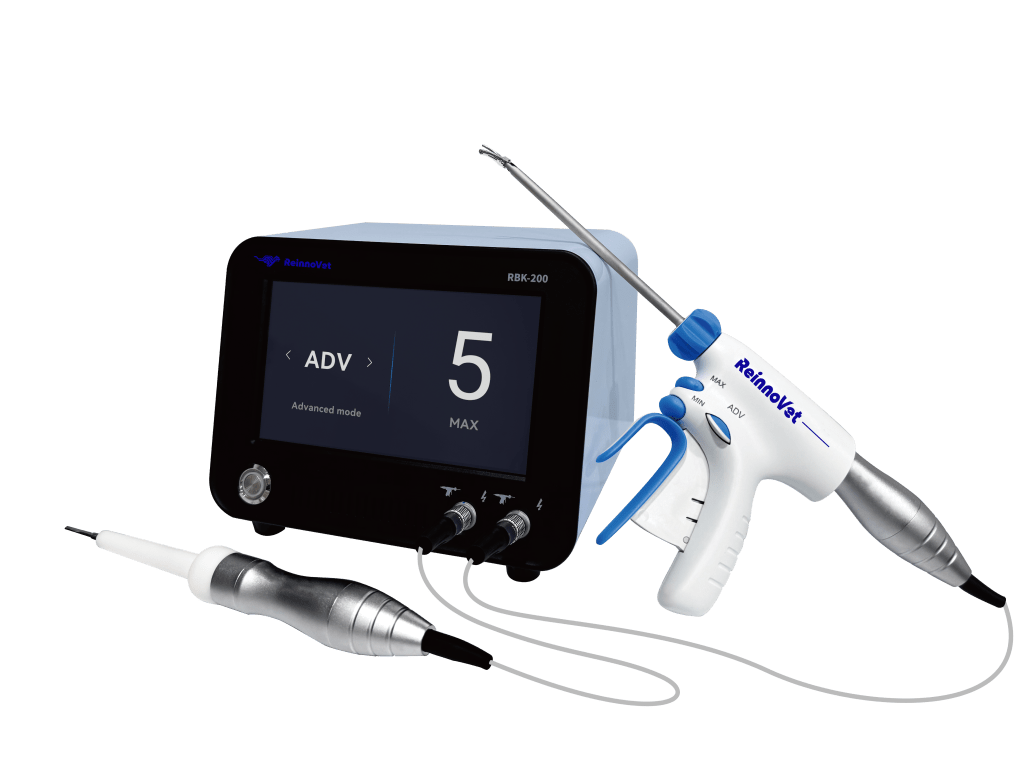
- Enhanced Ergonomics: Modern ultrasonic scalpels, such as the ReinnoVet UG-100, are designed with user comfort and surgical efficiency in mind.
Key Benefits for Veterinary Surgeons and Patients
Adopting an advanced ultrasonic scalpel for veterinary surgery offers numerous clinical advantages:
- Reduced Operative Time: Faster cutting and coagulation lead to shorter anesthesia times.
- Decreased Blood Loss: Improved hemostasis results in less bleeding and clearer surgical fields.
- Faster Recovery: Minimal tissue trauma promotes quicker healing and reduces postoperative complications.
- Improved Surgical Outcomes: Precision and safety contribute to higher success rates, especially in complex procedures like soft tissue oncology or reconstructive surgeries.
Furthermore, the ultrasonic scalpel’s adaptability across various types of veterinary surgeries makes it a valuable asset for both specialty hospitals and general practices.
Case Study: Successful Applications in Soft Tissue Surgery
One compelling example comes from a mid-sized veterinary clinic specializing in feline and canine soft tissue surgery.
After adopting the ReinnoVet UG-100 Advanced Ultrasonic Scalpel, the surgical team reported:
- 30% reduction in average surgery time for abdominal mass removals.
- Significant decrease in postoperative bleeding complications.
- Enhanced visualization during thyroidectomy procedures in small dogs.
Surgeons particularly appreciated the device’s side activation key (ADV mode), enabling seamless power adjustments during critical dissection steps.


Conclusion: Future Prospects for Ultrasonic Scalpel Technology
The integration of ultrasonic technology into veterinary surgery is reshaping the standards of care. As more clinics prioritize minimally invasive techniques and enhanced patient outcomes, the demand for reliable, high-performance ultrasonic devices will continue to grow.
Innovations such as the ReinnoVet UG-100 Advanced Ultrasonic Scalpel represent the future of precision veterinary surgery, offering a compelling combination of safety, efficiency, and superior clinical results.

➡️ Call to Action
Ready to elevate your surgical practice?
👉 Learn more about ReinnoVet’s Advanced Ultrasonic Scalpel UG-100 or Contact Us today to discuss how we can support your clinical success.